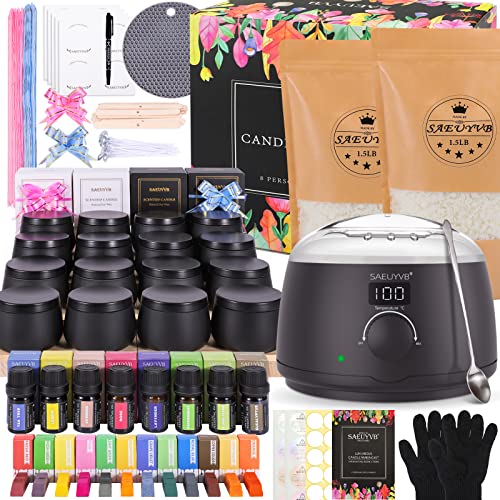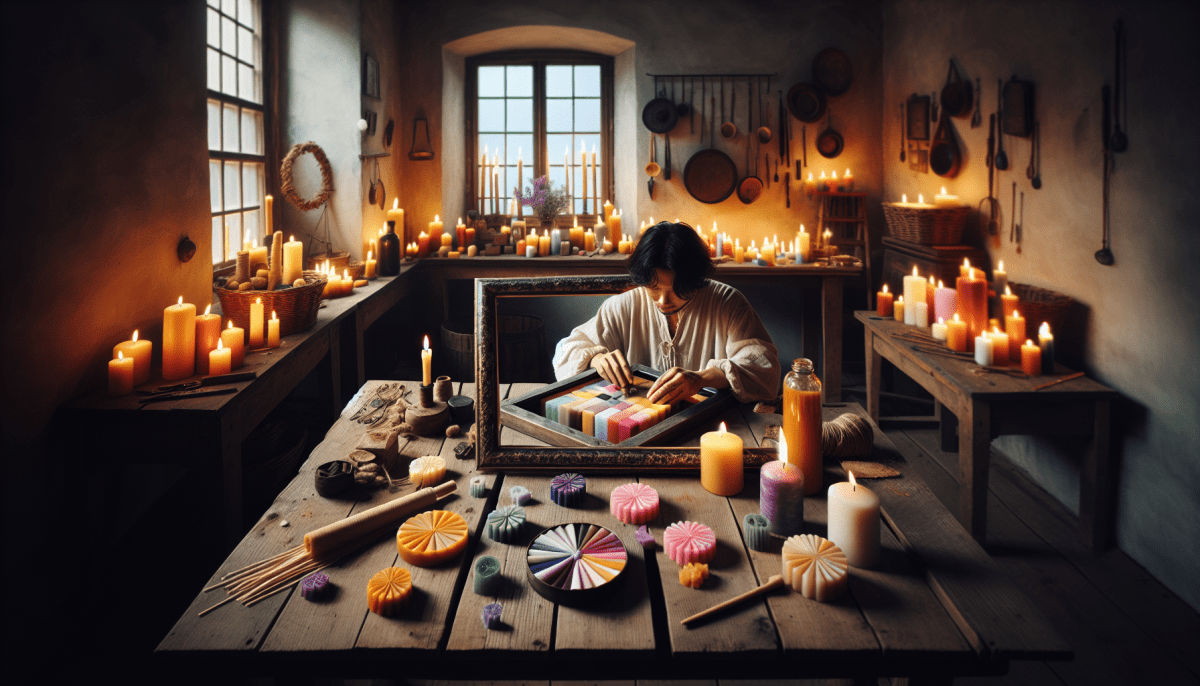
If you’re ready to dive into candle making, let’s kick things off! First things first, gather your supplies. You’ll need wax (soy, paraffin, or beeswax), wicks, fragrance oils, and containers or molds. It doesn’t have to be fancy – old jars or silicone molds work great. Just make sure they’re clean and safe to use.
Next, let’s talk about the wax. Each type has its own charm. Soy wax is easy to work with and eco-friendly, while paraffin is super affordable and great for creating vibrant colors and scents. Beeswax has a lovely natural aroma but can be pricier. Choose whatever suits your vibe!
Temperature matters when melting wax. Use a double boiler to melt it evenly. Aim for around 170-180°F, and check the manufacturer’s instructions on adding fragrance oils; timing can make a big difference in how well your scent carries. Stir it in gently to avoid bubbles.
Now for the fun part – pouring! Secure your wick in the center of your container with a bit of melted wax. Once your wax is ready, pour it slowly to avoid creating air pockets. Let your candles cool completely before trimming the wick to about 1/4 inch above the wax surface. Patience is key here!
Once they're all set, it’s time to test them out. Light one up and enjoy the fruits of your labor. Remember, practice makes perfect in candle making. Don’t be afraid to experiment with colors and scents until you find what you really love!
Choosing the Right Wax for Your Project
Picking the right wax for your candle-making adventure can make a huge difference in how everything turns out. There are a few popular options, each with its own vibe and benefits. Let’s break them down so you can find the best match for your project.
First up is paraffin wax. This is the go-to choice for many candle makers because it’s affordable and easy to work with. It holds fragrance and color really well, so if you want your candles to smell amazing or look colorful, this is a solid pick. Just keep in mind that it's a byproduct of petroleum, so if you prefer something more natural, you might want to explore other options.
If you're looking for something natural, soy wax is a great alternative. It's made from soybeans, which means it’s biodegradable and a friendlier choice for the environment. Soy wax burns cleanly and has a lower melting point, so it’s perfect for beginners. Plus, it holds scent well, giving you that delightful fragrance you want in your candles.
Beeswax is another fantastic option. It’s natural, has a light honey scent, and burns longer than both paraffin and soy. If you want your candles to have a warm glow and a unique charm, beeswax is your friend. Just keep in mind that it’s usually more expensive, so it might not be the best pick for larger batches.
Lastly, consider palm wax. This comes from palm oil and creates beautiful, crystalline patterns when it cools. It’s a sustainable choice if sourced responsibly. It has a higher melting point, so it’s great for achieving that professional look in your candles. Just make sure your palm wax is certified sustainable to do your part for the planet!
Fragrance and Color Tips for Candles
Getting the right fragrance and color for your candles can really make a difference. Let’s dive into some tips that’ll help you nail it every time!
When it comes to fragrance, pick scents that resonate with you. Think about the mood you want to create. Floral scents like lavender are great for relaxation, while citrusy smells can energize your space. Use fragrance oils specifically made for candles to ensure they smell great when lit. Just remember, a little goes a long way! Start small and add more until you hit that sweet spot.
Now, on to color! You have the freedom to get creative. Depending on the type of wax you’re using, you can use liquid dyes, color blocks, or gel colors. If you're aiming for a soft, pretty candle, pastel colors can be beautiful. If you want something bold and striking, deep colors will really stand out. Blend colors for a unique twist, but keep in mind how they look when melted. Always do a test batch to see how the colors turn out!
Combining fragrance and color is where the magic happens. Picture a refreshing mint green candle paired with a cool peppermint scent. Or a warm amber candle with a cozy vanilla fragrance. These combos not only look good but also enhance the overall experience. Just be sure to use color and fragrance together that complement each other for the best effect!
Safety First in Candle Making
When you dive into candle making, safety should always be your top priority. It’s easy to get caught up in the excitement of creating beautiful candles, but a little caution goes a long way in ensuring a fun experience.
First, make sure you’re working in a well-ventilated area. Melting wax can release fumes, and good airflow helps keep those at bay. Open a window or use a fan to keep the air fresh while you work.
Next, keep an eye on the temperatures. Wax can get really hot, and you don’t want any accidents. Use a thermometer to monitor the temperature when melting wax. Staying within safe limits helps prevent burns and makes your candle-making process smoother.
Also, have a fire extinguisher nearby just in case. It might sound extreme, but this small precaution can save your candle-making session from turning into a disaster. Always be cautious when working with flames, especially if you’re using wicks or adding fragrances that could cause flares.
Finally, use proper tools and gear. Invest in heat-resistant gloves and protective eyewear. It’s easy to overlook these during setup, but they make a huge difference. By keeping safety in mind, you’ll enjoy every moment of creating those lovely candles without worry!